
Digital Transformation in the
Education Industry? Choose ACESnWS
Digital Transformation Solution is built specifically to address the needs of a Education industry to cater your processes in a unique style.
Turn Your Educatio Vision into Reality, Unlock Efficiency and Growth with Powerful Custom Software and Mobile App solutions
ACESnWS Education Industry Digital Transformation Solutions
Empowering Institutions with Smart, Scalable Education Industry Technology
Why Digital Transformation in Education Industry?
The education industry in India is changing fast, but many schools, colleges, and training institutes still using paper methods.
The education industry in India is changing fast, but many schools, colleges, and training institutes still rely on manual administration, paper records, and traditional classroom methods. This makes it harder to keep students engaged, manage operations efficiently, and meet modern learning expectations.
Without digital education solutions, institutions face common pain points like:
Time-Consuming Administration – Attendance, grading, and scheduling take hours of manual work.
Poor Student Engagement – Traditional methods fail to hold attention in a tech-driven world.
Limited Access to Learning – Students in remote areas or with different schedules struggle to participate.
Communication Gaps – Parents, teachers, and students are not always aligned on progress and updates.
Data Management Issues – Important student records are scattered, making reporting and decision-making slow.
Digital transformation in education industry solves these problems with tools like learning management systems (LMS), student information systems (SIS), school management software, admissions and enrollment systems, and parent–teacher communication apps.
By adopting education technology solutions such as AI in education, custom e-learning platforms, mobile apps for schools, and cloud-based school ERP software, you can:
Automate administrative tasks and save time.
Deliver interactive, engaging, and personalized learning experiences.
Enable remote and hybrid learning for students anywhere.
Improve communication between teachers, students, and parents.
Make data-driven decisions to boost academic performance.
In short — education digital transformation helps you teach smarter, manage better, and prepare students for the future, while making learning more accessible and enjoyable.
Benefits of Digital Transformation in Education Industry
At ACESnWS, we help schools, colleges, universities, and edtech startups embrace next-gen digital solutions to create connected, efficient, and student-centric learning environments. Our education-focused platforms enhance administrative control, academic performance, and parent engagement.
Our Process
Each phase of the software development lifecycle with Agile and Scrum
 Requirements
 System Analysis
 UI/UX Design
 Development
 System Testing
 Implementation
FAQs
Each phase of the software development lifecycle with Agile and Scrum
1 1 What exactly does “digital transformation” mean for an educational institution?
Digital transformation in education involves adopting modern digital technologies and processes — such as cloud-based learning platforms, adaptive learning, mobile apps for students/parents, integrated data systems (student information, admissions, analytics), remote & hybrid learning environments — to transform how teaching, learning and institutional operations work.
2 2 Why should a school or training institute consider digital transformation now?
Institutions today face major pressures — expectations for flexible, remote learning; demand for personalised and engaging student experiences; administrative burdens; resource constraints; and competition. Digital transformation helps streamline operations, engage learners better, improve data-driven decision making and stay relevant.
3 3 What benefits can an institution realistically expect by undergoing digital transformation?
Typical benefits include:
-
Enhanced student engagement and learning through interactive multimedia, adaptive tools and mobile access.
-
Personalised learning paths and better performance tracking for students.
-
More efficient administrative processes (admissions, records, grading, parent-teacher communication) and reduced paperwork.
-
Greater accessibility and inclusivity — remote learners, diverse backgrounds, 24/7 access.
4 4 Do we need to replace all our existing systems and infrastructure to start this transformation?
Not necessarily. A pragmatic approach is to prioritise high-impact areas, integrate or upgrade existing systems selectively, and build iteratively rather than a full “rip-and-replace” from day one. The aim is to deliver early wins, then scale.
5 5 How long does the digital transformation journey take, and where should we begin?
There is no one-size-fits-all timeline, as it depends on institution size, current maturity, scope of change, budget, and resources. Practically:
-
Phase 1: Choose a pilot use-case (e.g., LMS + parent-app) and get quick results.
-
Phase 2: Expand operations, integrate data systems (SIS, ERP), analytics.
-
Phase 3: Innovate with AI/ML, adaptive learning, advanced insights.
Institutions often see meaningful benefits within 12–24 months when aligned with clear goals.
6 6 What are common challenges to expect in digitising education, and how can they be addressed?
Challenges may include:
-
Infrastructure gaps (devices, connectivity).
-
Staff/teacher readiness and change management.
-
Ensuring student data privacy and security.
-
Integrating legacy systems and fragmented data.
To address: invest in training, choose scalable platforms, ensure stakeholder buy-in, and set clear metrics for success.
7 7 How does ACE Software n Web Solutions help us make our transformation successful in the education sector?
By partnering with ACE Software n Web Solutions you benefit from:
-
Custom software & mobile apps tailored to education workflows (LMS, SIS, admissions, parent-teacher apps) rather than generic off-the-shelf.
-
Expertise in integrating analytics, AI/ML for student insights, predictive performance, and better institutional reporting.
-
Implementation support from strategy through change-management, ensuring your transformation aligns with educational outcomes (engagement, retention, operational efficiency).
-
A partner who understands your challenges (administration, student/parent communication, hybrid learning) and builds scalable, future-ready solutions.
Advanced Technologies
Powerful tools that transforms the way software is developed to make it more efficient, more effective, and more innovative
Artificial Intelligence (AI) and Machine Learning (ML)
AI and ML enhance ERP systems by automating tasks and providing predictive insights, improving decision-making and operational efficiencies.
Internet of Things (IoT)
IoT technology integrates with ERP systems for real-time data collection from connected devices, optimizing asset management and supply chain operations.
Business Intelligence (BI) and Analytics
BI and Analytics transform data into actionable insights within ERP systems, enabling informed decision-making through dashboards and reporting tools.
Cloud Computing
Cloud-based ERP solutions offer scalable and flexible access to ERP functionalities, supporting remote access and collaboration while ensuring data security.
Robotic Process Automation (RPA)
RPA in ERP systems automates repetitive and rule-based tasks, streamlining operations and improving efficiency by mimicking human actions within digital systems.
Augmented Reality (AR) and Virtual Reality (VR)
AR and VR technologies enhance ERP systems by providing immersive training, maintenance simulations, and visualization of data and workflows, improving understanding and efficiency.
Web Application Development
Web applications are developed in many technologies, we have expertise in all












Mobile App Development
Mobile applications are developed as native, cross-platform and web apps, as per client need






eCommerce development
eCommerce are developed customized or tool-based as per client need




AI development
We offer Artificial Intelligence services with Gen-AI, ML, IoT, RPA, AR





















-
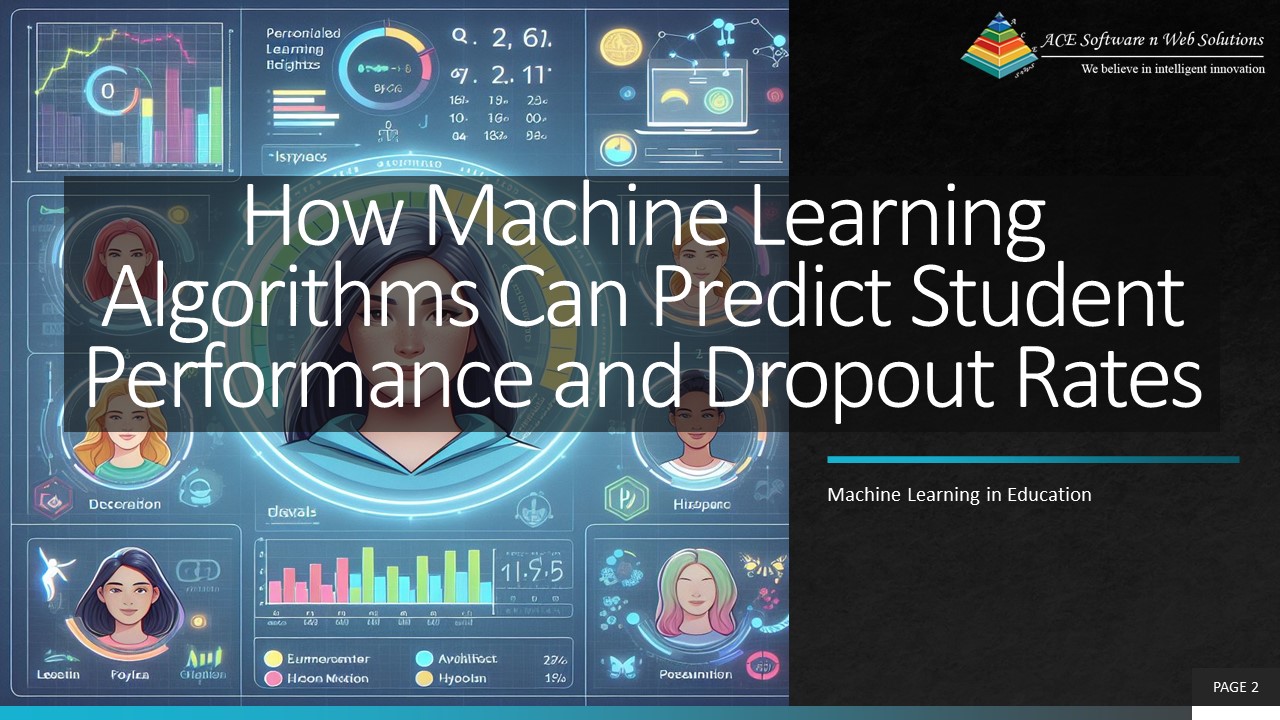
How ML Algorithms Can Predict Student Performance and Dropout Rates
In the educational landscape, the ability to predict student performance and potential dropout risks is invaluable for creating interventions that can lead to more successful outcomes. Machine Learning (ML) algorithms offer powerful tools for educators and decision-makers in the primary
-
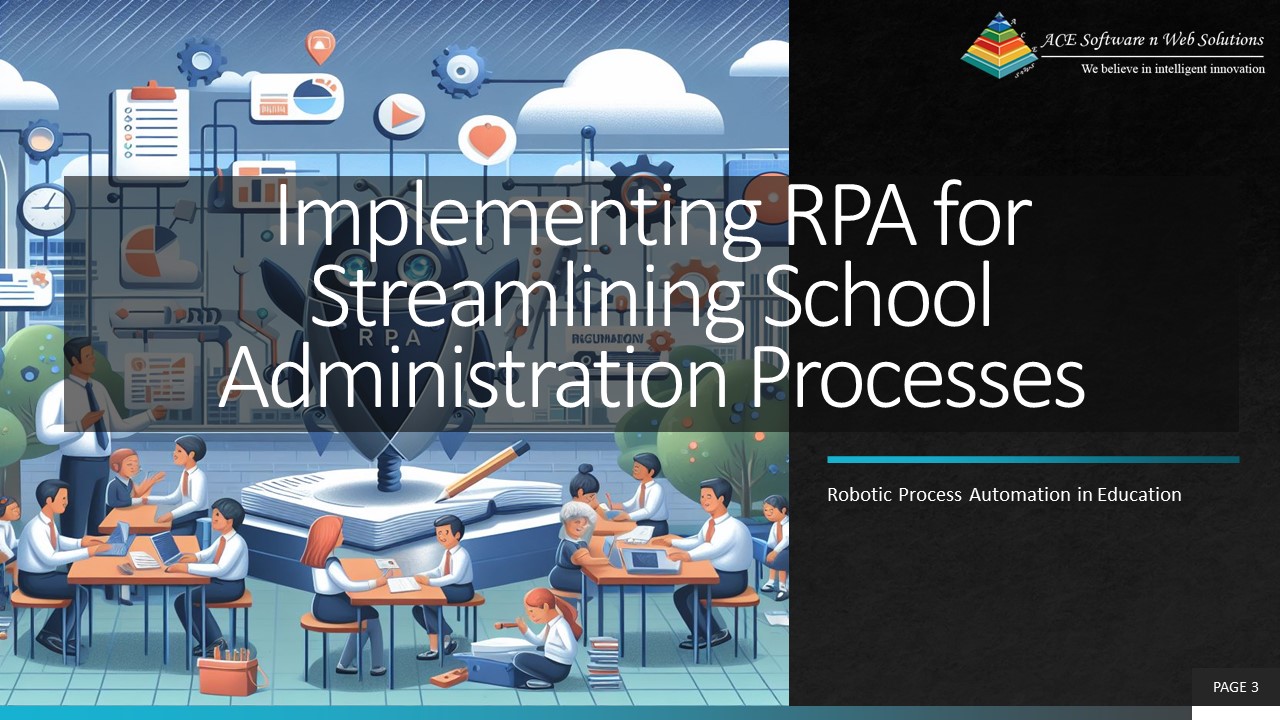
Implementing RPA for Streamlining School Administration Processes
The dynamic and demanding environment of educational institutions necessitates efficient and effective administration processes to support academic excellence. Robotic Process Automation (RPA) emerges as a transformative solution for primary and secondary education decision-makers, streamlining tasks to enhance operational efficiency and
-
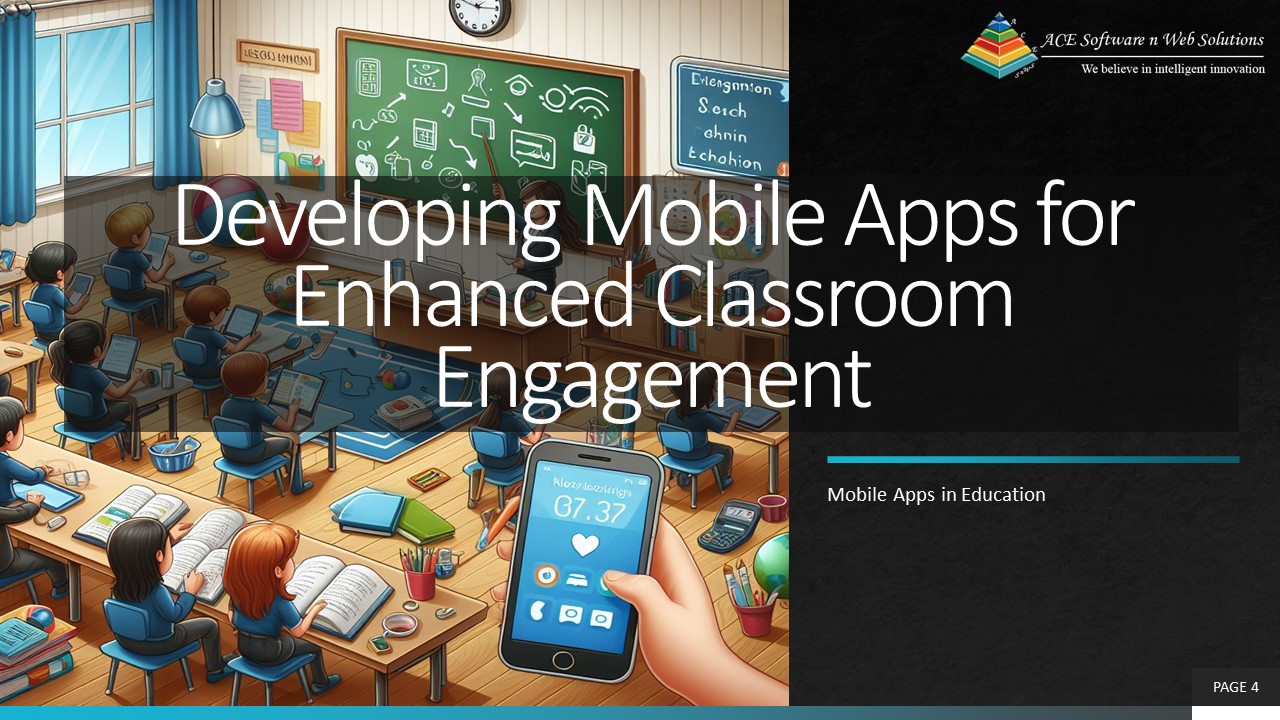
Developing Mobile Apps for Enhanced Classroom Engagement
In today's digital age, mobile technology has the potential to transform educational experiences, making learning more interactive, accessible, and engaging. For primary and secondary education decision-makers, developing mobile apps tailored to classroom needs offers a unique opportunity to enhance student
-

The Future of EdTech: Trends and Predictions for the Next Decade
The landscape of education is undergoing a significant transformation, driven by rapid technological advancements. As we look toward the future, it's clear that Educational Technology (EdTech) will continue to play a pivotal role in shaping how learning is delivered and
