

Digital Transformation in Construction
Industry? Choose ACESnWS
At ACESnWS, we empower construction and real estate businesses with technology-driven solutions that transform how you plan, build, manage, and deliver projects. From the site to the boardroom, our digital tools streamline every stage of your operations.
“Projects don’t fail due to lack of work… they fail due to lack of control.”
ACESnWS Digital Transformation in Construction Industry
Build Smarter. Manage Better. Deliver Faster.
Why Digital Transformation in Construction Industry?
The construction industry in India is under constant pressure to deliver projects faster, cheaper, and with higher quality.
The construction industry in India is under constant pressure to deliver projects faster, cheaper, and with higher quality. Yet, many builders, contractors, and real estate companies still rely on spreadsheets, paper documents, and outdated communication methods. This leads to delays, budget overruns, and frustrated clients.
Without digital construction solutions, companies face common pain points like:
Missed Deadlines – Poor project tracking and slow approvals cause delays.
Budget Overruns – Manual cost tracking makes it hard to control expenses.
Material Wastage – Lack of real-time inventory updates leads to over-ordering or shortages.
Poor Team Coordination – Field workers, engineers, and management are often out of sync.
No Central Data Access – Project information is scattered, making decisions slow and inefficient.
Digital transformation in construction industry solves these challenges with tools like construction project management software, inventory and asset management apps, construction ERP solutions, field service management apps, and CRM software for real estate.
In short — construction digital transformation helps you build faster, save costs, improve quality, and keep clients happy, while staying ahead in the competitive real estate and infrastructure market.
By adopting smart construction technology such as AI/ML in construction, cloud-based scheduling tools, BIM (Building Information Modeling), and IoT-enabled site tracking, you can:
Track project progress in real-time.
Control budgets and expenses with precision.
Reduce material waste and equipment downtime.
Keep all stakeholders informed with instant updates.
Make faster, data-driven decisions to meet deadlines.
Benefits of Digital Transformation in Construction Industry
ACESnWS empowers construction and real estate businesses with technology-driven solutions
Our Process
Each phase of the software development lifecycle with Agile and Scrum
 Requirements
 System Analysis
 UI/UX Design
 Development
 System Testing
 Implementation
FAQs
Each phase of the software development lifecycle with Agile and Scrum
1 1 What does “digital transformation” mean specifically for a construction company?
Digital transformation in construction involves adopting advanced digital technologies — such as Building Information Modeling (BIM), IoT sensors, cloud-based project management, AI analytics, and real-time collaboration platforms — to digitise processes across design, procurement, site execution, handover and maintenance.
2 2 Why should a construction firm embark on digital transformation now?
Construction firms today face major pressures: tight margins, increasing regulatory and sustainability demands, labour & materials constraints, and client expectations for faster, better, more transparent delivery. Digital transformation helps through improved efficiency, fewer rework/errors, better collaboration and safer & greener job sites.
3 3 What concrete benefits can the firm expect from such a transformation?
Typical benefits include:
• Improved productivity and fewer delays by real-time data and better coordination.
• Cost savings via optimised resource allocation, reduced waste and fewer re-works.
• Enhanced safety on site through sensors and digital monitoring of hazards.
• Stronger collaboration across stakeholders (architects, engineers, contractors, clients) thanks to shared digital platforms.
4 4 What are the major challenges we need to anticipate?
Key challenges include:
• Legacy systems, fragmented data and difficulty integrating new tools.
• Resistance to change: workforce used to manual/traditional methods may find new technologies disruptive.
• Skills gap: The workforce may need upskilling to use digital tools effectively.
• Up-front investment costs & unclear ROI for some use-cases.
5 5 Do we need to overhaul the entire organisation at once or can we start small?
You don’t have to do everything at once. A phased approach is often best: identify high-impact use-cases (e.g., digital project monitoring, BIM for key projects), pilot them, measure results and then scale. This gives early wins and builds momentum for broader transformation.
6 6 How does this digital transformation tie into our business outcomes (costs, schedule, quality, safety, sustainability)?
Transformation must connect to business outcomes — meaning it isn’t about buying tech, it’s about improving KPIs you care about (e.g., reducing project delays, cutting material waste, improving handover quality, meeting sustainability targets). Firms that treat digital as process & business change (not just technology change) see better results.
7 7 How can ACE Software n Web Solutions help us make our digital transformation successful in the construction sector?
By partnering with ACE Software n Web Solutions you benefit from:
-
Industry-specific insight into construction workflows, challenges and regulatory/safety requirements.
-
Custom software/database/app development and AI/analytics capabilities tailored to your construction business (not just generic tools).
-
A roadmap-driven implementation: selecting right use-cases, integrating with your legacy systems, training your teams and ensuring transformation aligns with your business outcomes.
Advanced Technologies
Powerful tools that transforms the way software is developed to make it more efficient, more effective, and more innovative
Artificial Intelligence (AI) and Machine Learning (ML)
AI and ML enhance ERP systems by automating tasks and providing predictive insights, improving decision-making and operational efficiencies.
Internet of Things (IoT)
IoT technology integrates with ERP systems for real-time data collection from connected devices, optimizing asset management and supply chain operations.
Business Intelligence (BI) and Analytics
BI and Analytics transform data into actionable insights within ERP systems, enabling informed decision-making through dashboards and reporting tools.
Cloud Computing
Cloud-based ERP solutions offer scalable and flexible access to ERP functionalities, supporting remote access and collaboration while ensuring data security.
Robotic Process Automation (RPA)
RPA in ERP systems automates repetitive and rule-based tasks, streamlining operations and improving efficiency by mimicking human actions within digital systems.
Augmented Reality (AR) and Virtual Reality (VR)
AR and VR technologies enhance ERP systems by providing immersive training, maintenance simulations, and visualization of data and workflows, improving understanding and efficiency.

Web Application Development
Web applications are developed in many technologies, we have expertise in all












Mobile App Development
Mobile applications are developed as native, cross-platform and web apps, as per client need






eCommerce development
eCommerce are developed customized or tool-based as per client need




AI development
We offer Artificial Intelligence services with Gen-AI, ML, IoT, RPA, AR





















-
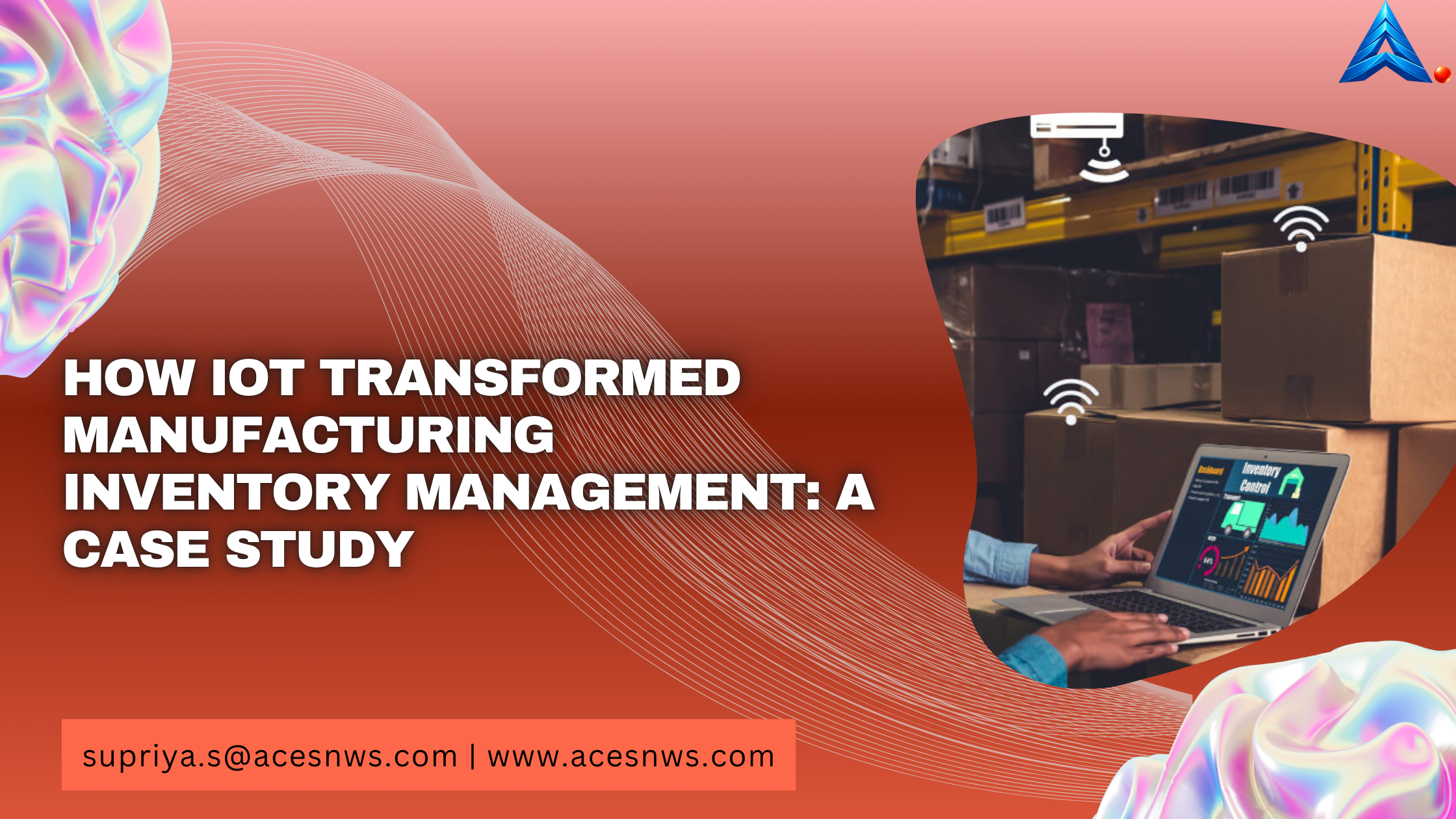
How IoT Transformed Manufacturing Inventory Management: Case Study
Introduction: The Hidden Cost of Poor Inventory Management In today’s competitive manufacturing landscape, inventory is not just a stockpile—it’s a critical financial asset. Yet, most manufacturing companies still struggle with: Stock mismatches Production delays due to material shortages Excess inventory blocking working capital Manual errors
-
Case Study: Construction Industry Digital Transformation
Construction Industry Digital Transformation: A Case Study on Software, Mobile App, and AI Adoption Introduction: When Construction Growth Outpaced Systems The construction industry has always been execution-heavy—tight timelines, multiple vendors, on-site teams, compliance pressure, and razor-thin margins. In this case study, we
-
Case Study: Manufacturing Industry Digital Transformation
Case Study: Digital Transformation in the Manufacturing Industry Through Software, Mobile App & AI Development Introduction: Why Digital Transformation Is No Longer Optional for Manufacturing The manufacturing industry is undergoing a massive shift. Rising operational costs, unpredictable supply chains, increased customer expectations,
-
Case Study: Healthcare Digital Transformation
Healthcare Digital Transformation Case Study: How Software, Mobile Apps, and AI Revolutionized Patient Care? Introduction: The Urgent Need for Digital Transformation in Healthcare The healthcare industry is under constant pressure to deliver faster, safer, and more patient-centric services while maintaining compliance and
